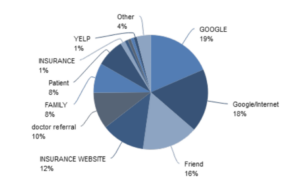
Tracking Referrals
If you are not aware, one of the biggest shifts in private practice over the last 5-7 years has been referral sources.
In reviewing metrics with my private consulting practices we often find the “referring physicians” bucket (at one time the largest) to be now among the smallest. . .
It is no surprise with so many PCPs and specialists joining hospitals or selling to private equity, but to my veteran doctors, it still feels like a blow to the gut. “I’ve known Dr. _____ for 25 years and have treated not only his patients, but his wife and kids. Now he has to refer to the podiatrist in the hospital.”
Sad, but true.
So, how do we respond to this shift? By improving your online presence (SEO) and asking for reviews! When I say ask, I mean actually ask your patients. The ones who are thankful you (your staff) got them in before the long weekend to treat an ingrown. The ones with heel pain who tried everything until they came to see you and after 2 visits are dramatically improved. The ones who know and love you.
Asking, however, is not enough as even the best intentions to leave a raving review are forgotten. You must text or email a direct link to your “happy” patients and time it so they can’t forget (within a few hours of the visit). The more reviews you have, the more attention you will get from the almighty Google and the easier it will be to bury the inevitable negative review you will receive (you can’t make everyone happy and that lady will be sure to let the world know).
If you don’t already, track your referral sources closely. You may need to create some additional sources in your EHR’s referral dropdowns. Training your staff to be very specific when registering patients and asking “how did you hear about us” will also prove helpful.
Once you have the data, use it to work with your marketing team and make necessary changes to your strategy. You can thank me later!